
Why Does My Thermostat Have No Power? A Step-by-Step Troubleshooting Guide


Understanding the Basics
If you find that your thermostat has no power, it can be frustrating, especially if you rely on it for temperature control. Before you panic, it's important to understand that there are several reasons why this might happen. This guide will walk you through the steps to troubleshoot and hopefully resolve the issue.
The first thing to check is whether your thermostat is receiving power from your home's electrical system. Thermostats are typically powered by batteries or a low-voltage wire connected to your HVAC system. If there's a disruption in this power supply, your thermostat will not function.
Checking the Power Source
Batteries
If your thermostat operates on batteries, start by replacing them. Open the thermostat cover and replace the old batteries with new ones. Make sure they are inserted correctly, following the positive and negative indicators.
Circuit Breaker
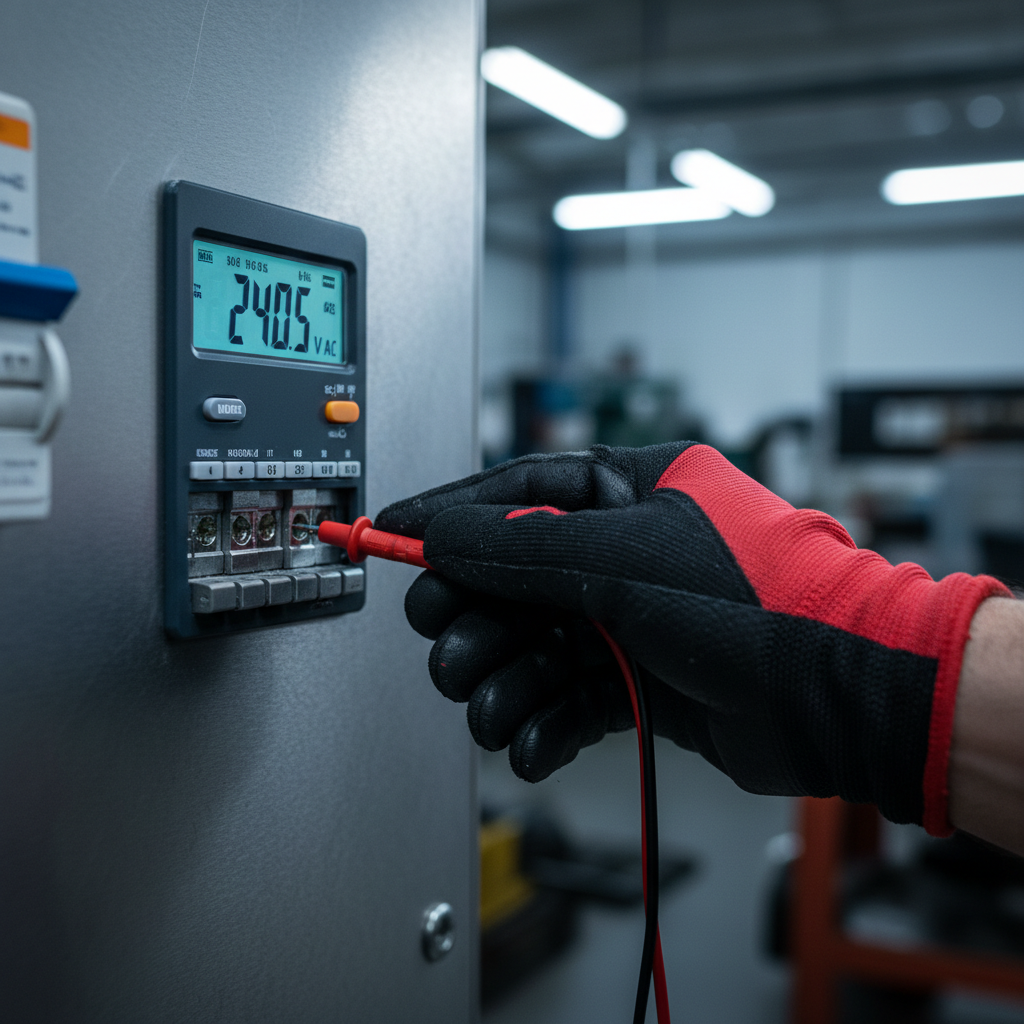
For thermostats connected to your home's electrical system, check your circuit breaker. A tripped breaker can cut off power to your thermostat. Locate your home's breaker panel and see if the breaker for your HVAC system has tripped. If so, reset it by turning it off and then back on.
Inspecting the Wiring
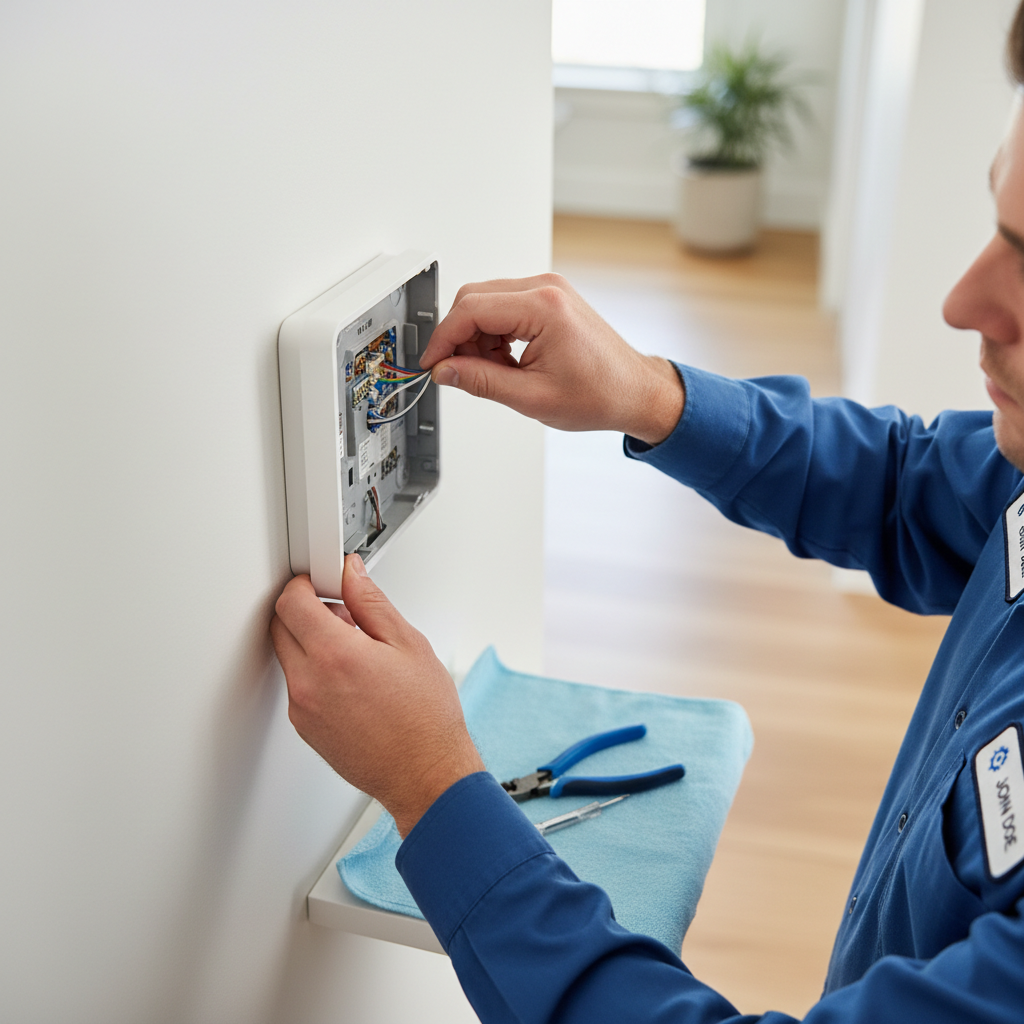
If the power source isn't the issue, the problem might be with the wiring. Carefully remove the thermostat from the wall to inspect the wires. Ensure that all connections are secure and that no wires are loose or damaged.
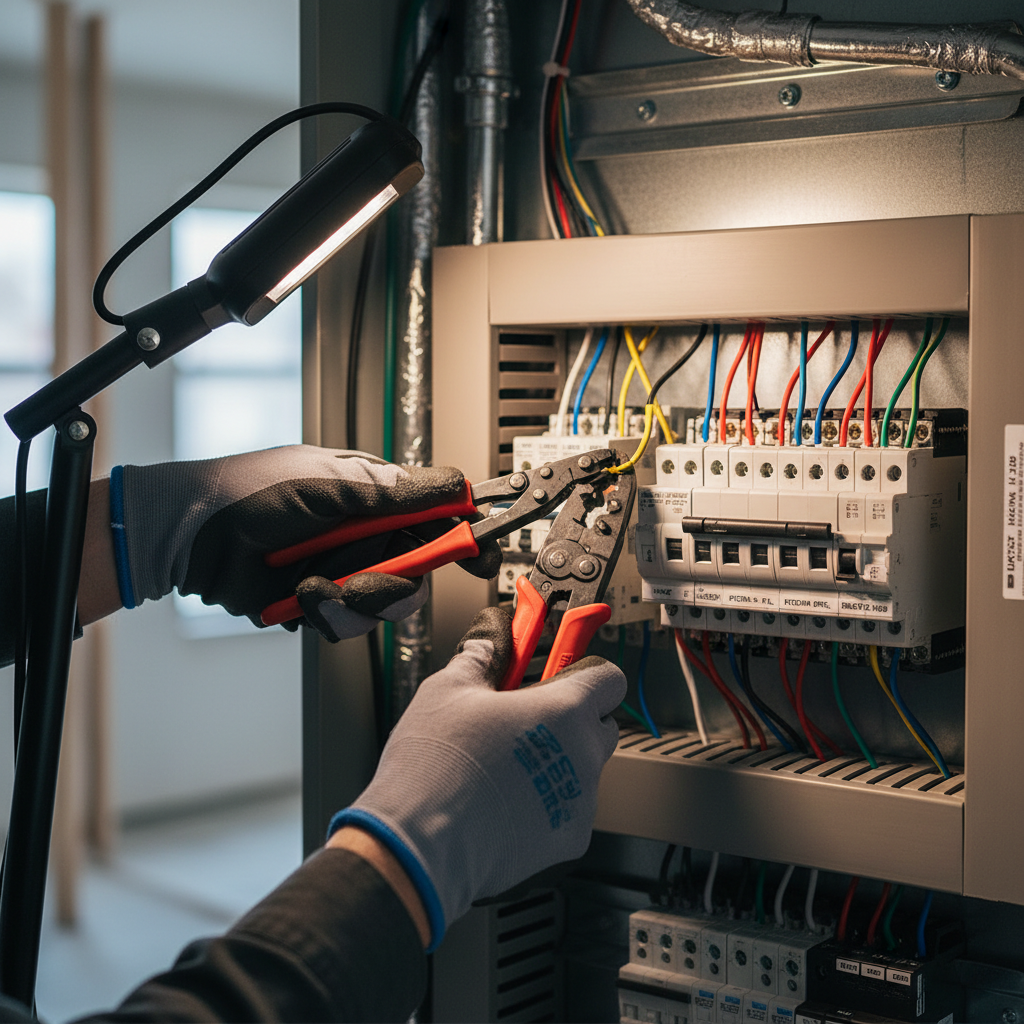
If you're not comfortable dealing with electrical wiring, it’s best to contact a professional. Faulty wiring can be dangerous and might require specialized tools and expertise to fix safely.
Evaluating the HVAC System
Sometimes, the issue lies not with the thermostat itself, but with the HVAC system. If your system has a safety switch or float switch, it can cut power to the thermostat if there's a problem, like a clogged condensate drain. Check the drain pan and clear any clogs to restore power.
Other System Issues
Ensure that your HVAC system is in working order. If there are any issues with the system, such as a malfunctioning furnace or air handler, it could affect power to the thermostat. A professional technician might be necessary to inspect and repair these components.
When to Call a Professional
If you've tried these troubleshooting steps and your thermostat still has no power, it may be time to call a professional. An HVAC technician can provide a thorough inspection and repair any underlying issues that you might have missed.
Remember, dealing with electrical components can be hazardous. Prioritize safety and don't hesitate to seek professional help to ensure your home's heating and cooling systems are working smoothly.