
Troubleshooting Guide: Why My Thermostat Has No Power and How to Fix It


Understanding the Problem
When your thermostat suddenly loses power, it can disrupt your home's comfort and energy efficiency. This issue might be due to various reasons, from simple battery problems to complex wiring issues. Understanding the root cause is the first step toward finding a solution.
Check the Power Source
Inspect Circuit Breakers
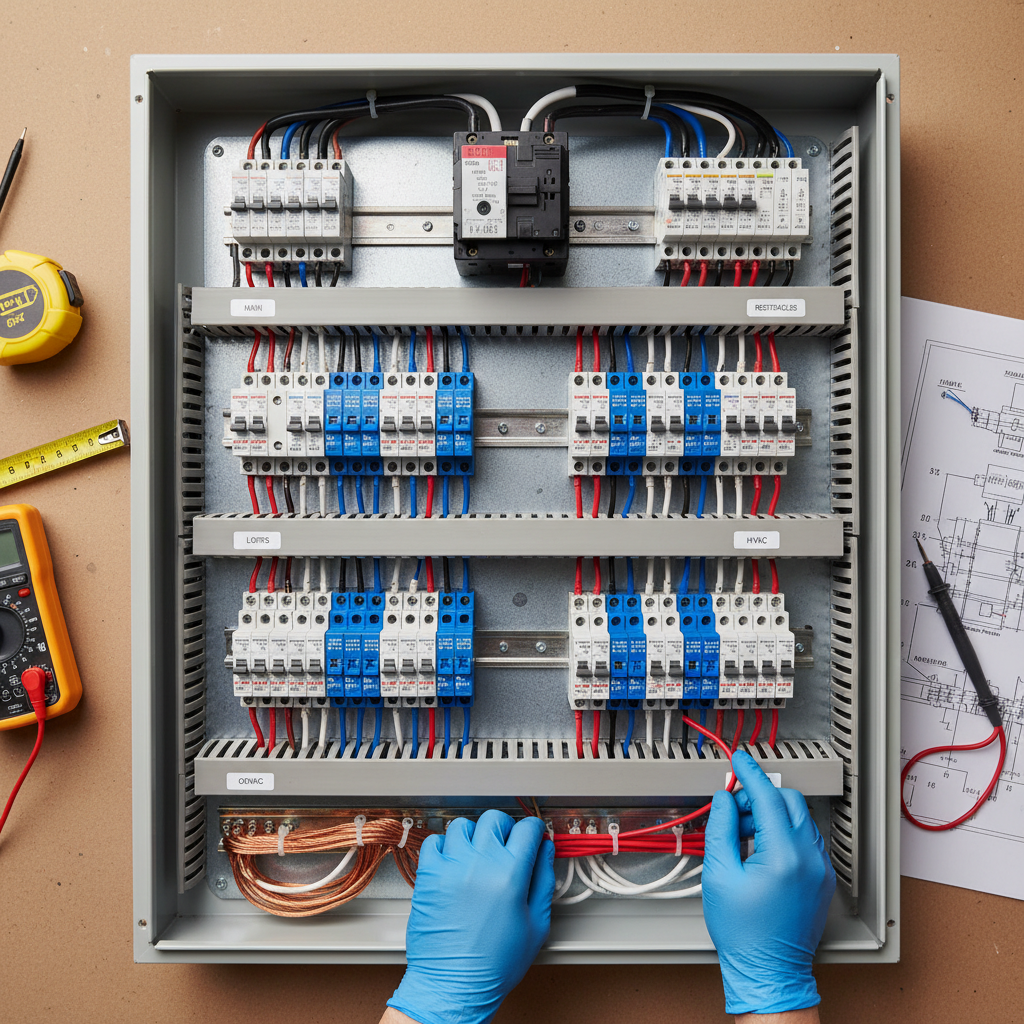
A common reason for a thermostat losing power is a tripped circuit breaker. Locate your home's electrical panel and check if the breaker connected to your HVAC system has tripped. If it has, reset it and see if that restores power to your thermostat.
Evaluate the Power Supply
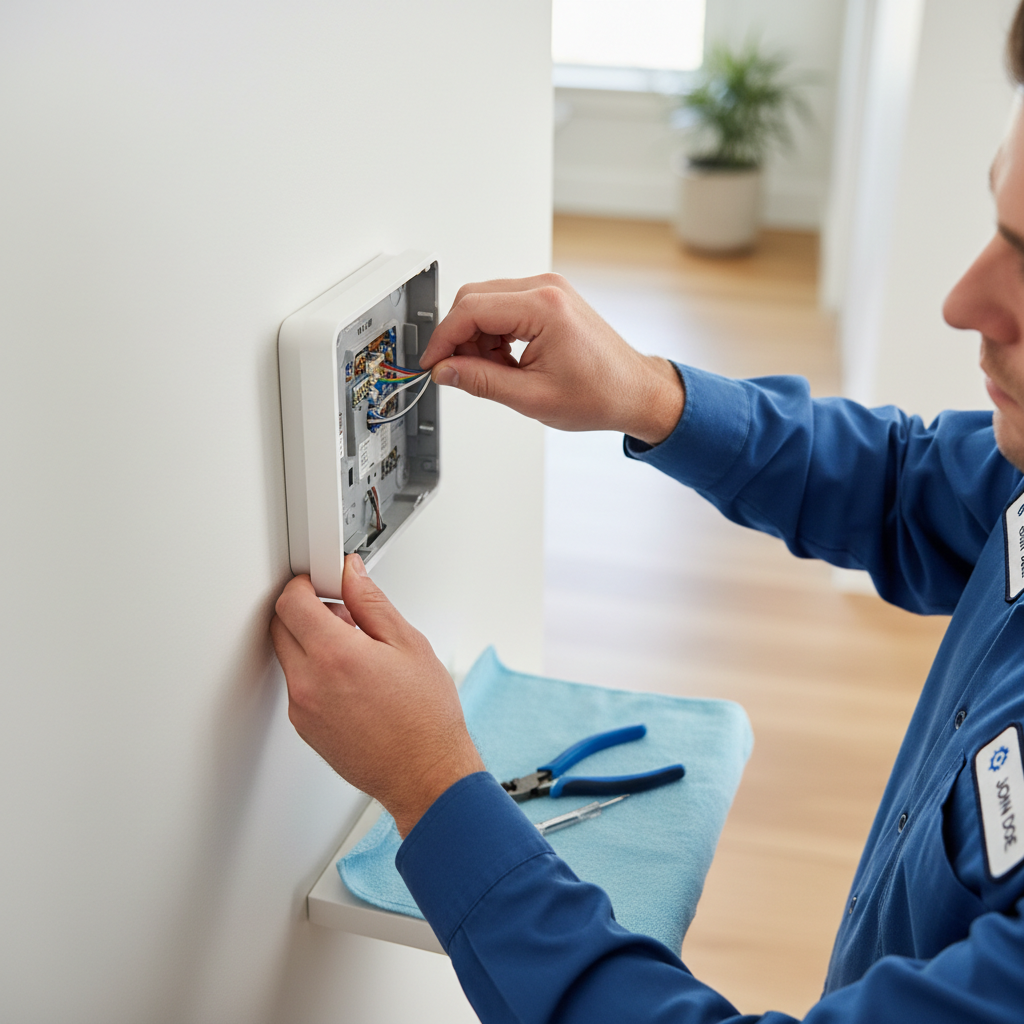
Ensure that your thermostat is receiving power by checking the wiring and connections. Look for any loose or disconnected wires. If you're unsure about handling electrical components, it might be best to consult a professional.
Examine Thermostat Batteries
Some thermostats rely on batteries for power. If your thermostat has suddenly stopped working, check the battery compartment. Replace the batteries with fresh ones and see if this resolves the issue. It’s a simple fix that’s often overlooked.
Investigate the HVAC System
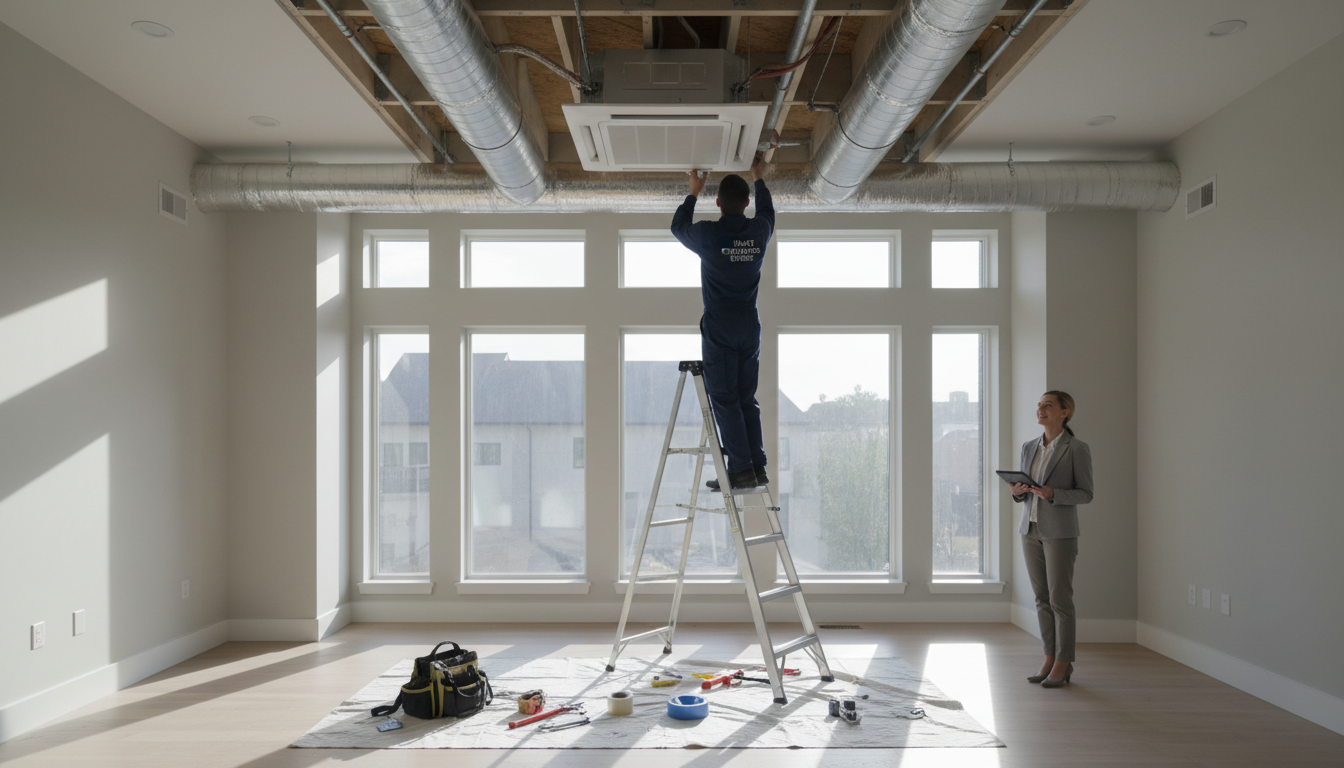
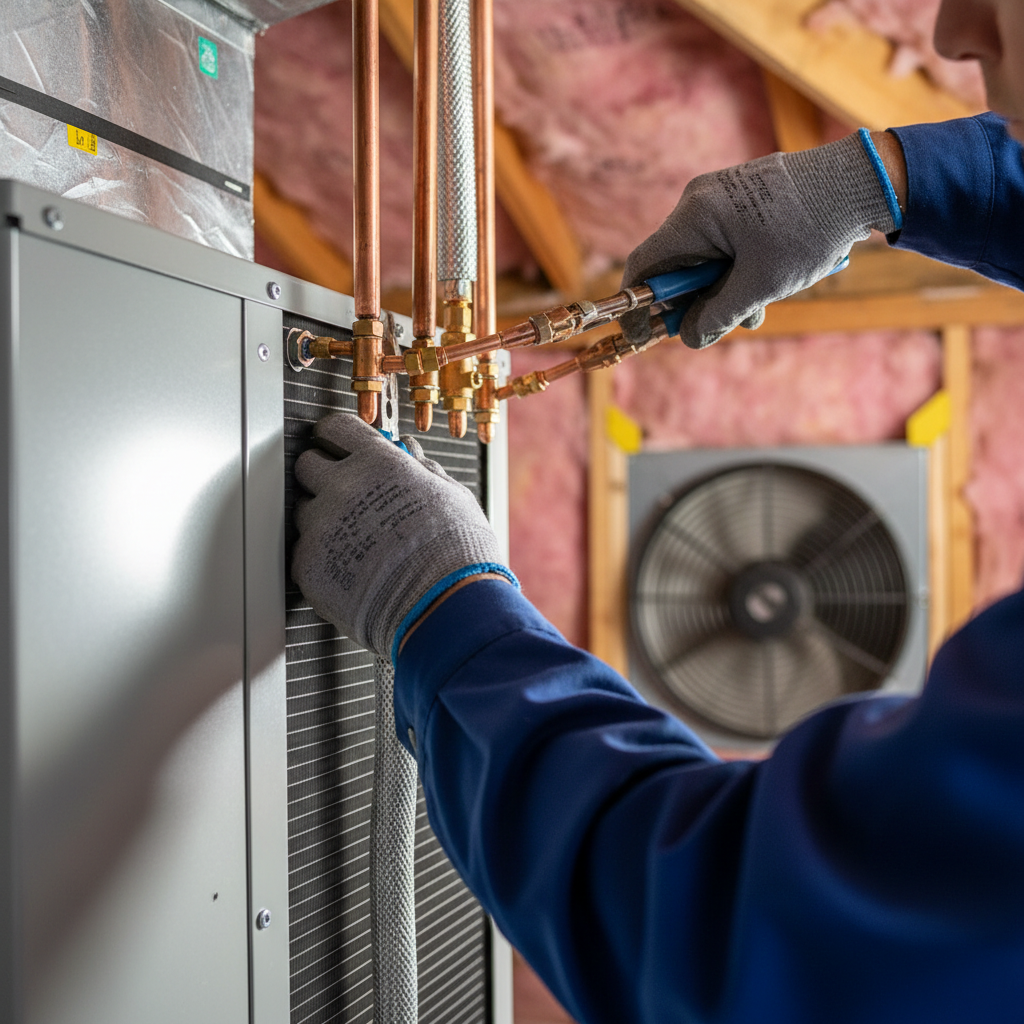
The thermostat might not be the problem. Sometimes, issues within the HVAC system itself can cause the thermostat to lose power. Inspect the furnace or air conditioning unit for any visible issues, such as blown fuses or disconnected wires.
Consider Software and Settings
Modern thermostats often have software that can glitch. Try resetting your thermostat to its default settings. Consult the user manual or the manufacturer's website for instructions on how to perform a reset.
Seek Professional Help
If you've tried the above troubleshooting steps and your thermostat still lacks power, it may be time to call in a professional. An HVAC technician can diagnose and fix more complex issues that might be affecting your system.
Regular Maintenance Tips
To prevent future issues, schedule regular maintenance checks for your HVAC system. This ensures all components are functioning correctly and helps catch potential problems before they cause system failures.
By following these steps, you can identify the reasons why your thermostat might be losing power and take appropriate actions to fix it. Ensuring your thermostat is in working order is crucial for maintaining a comfortable and energy-efficient home.