
The Impact of Local Climate on Your AC System's Performance


Understanding Local Climate Effects on AC Systems
Your air conditioning (AC) system is a vital component in maintaining comfort within your home, especially during extreme weather conditions. However, the performance and efficiency of your AC can significantly depend on the local climate. Understanding these impacts can help you optimize your system's operation and extend its lifespan.
Temperature Extremes
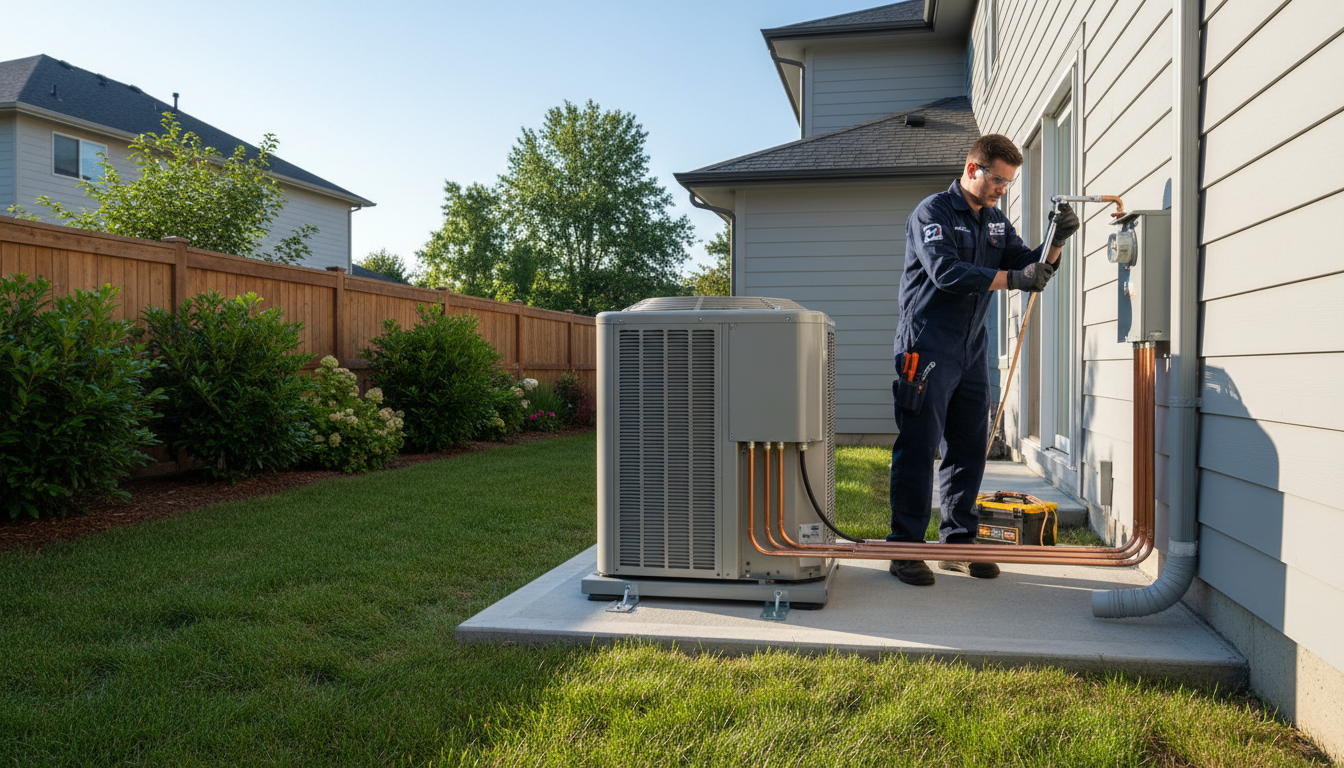
In regions with extremely high temperatures, your AC system is likely to work harder to maintain a comfortable indoor environment. This continuous strain can lead to increased wear and tear on the system's components, potentially resulting in more frequent breakdowns or a reduced lifespan. Regular maintenance and timely upgrades are crucial in such climates to keep your system running efficiently.
Conversely, in areas with milder temperatures, your AC may not need to run as frequently. While this might seem beneficial, it can lead to other issues such as humidity imbalance or mold growth if the system is not used properly. Ensuring your AC is correctly sized for your home can mitigate these risks.
Humidity Levels
Humidity plays a crucial role in AC performance. In areas with high humidity, your system must work not only to cool the air but also to remove excess moisture. This dual task can strain the system, making regular maintenance even more essential. Additionally, consider investing in a dehumidifier if your region is particularly humid.
On the other hand, in dry climates, the lack of moisture can affect air quality and comfort. Ensuring that your AC system is equipped with a good humidification function can help maintain indoor air quality and prevent issues related to excessively dry air.
Seasonal Changes
Seasonal changes can also impact your AC system's performance. During transitional seasons like spring and fall, fluctuating temperatures can lead to frequent cycling of the AC. This can increase energy consumption and put additional stress on the system. Using a programmable thermostat can help manage these changes efficiently.
It's also important to prepare your AC for different seasons with proper maintenance. Cleaning filters, checking refrigerant levels, and inspecting ductwork can prevent unexpected issues and ensure optimal performance year-round.
Pollution and Air Quality
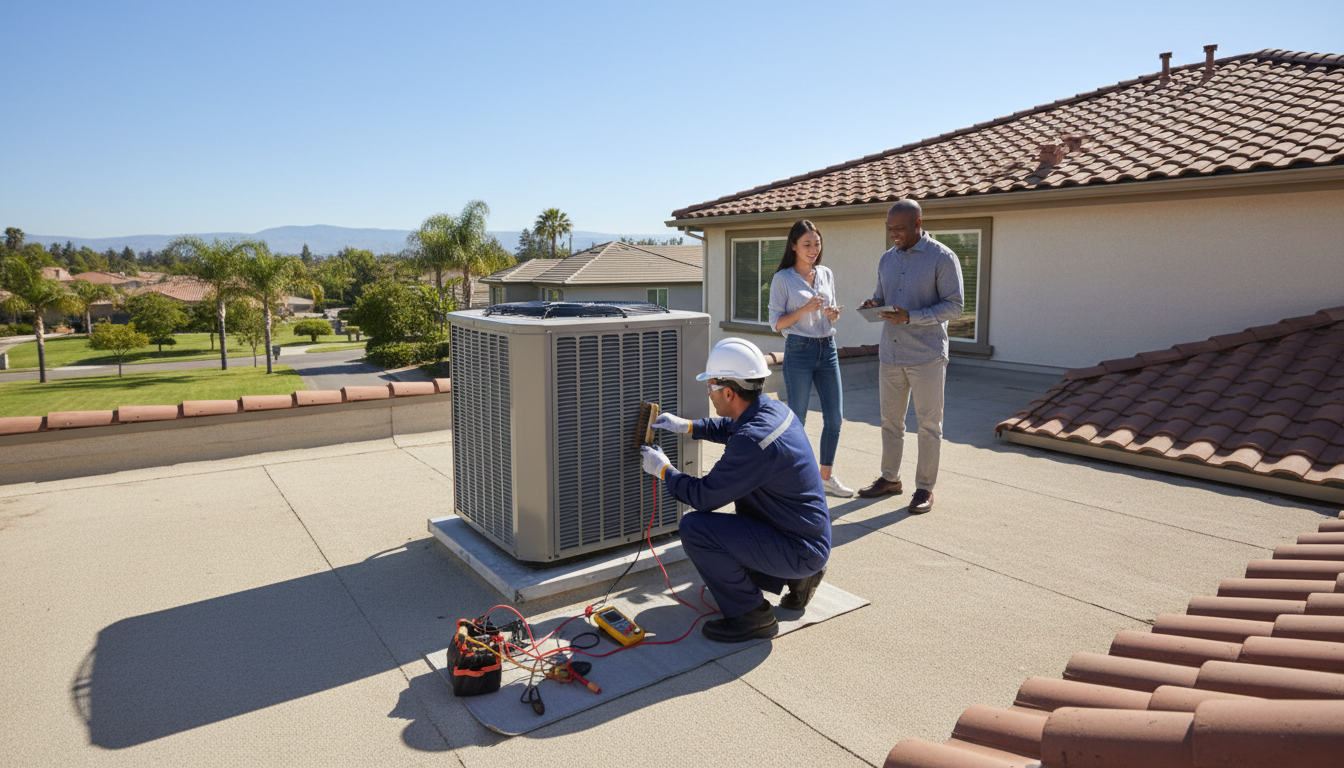
Local air quality and pollution levels can influence how often you need to maintain and clean your AC system. In urban areas with higher pollution, filters may become clogged more quickly, reducing efficiency and potentially leading to indoor air quality issues. Regular filter replacement is crucial in such environments.
Moreover, consider investing in high-efficiency particulate air (HEPA) filters if pollution is a significant concern. These can help improve indoor air quality, ensuring that your AC system not only cools but also cleans the air effectively.
Maximizing Efficiency and Lifespan
Understanding the impact of your local climate on your AC system is essential for maximizing its efficiency and lifespan. Regular maintenance, appropriate upgrades, and mindful usage can help you achieve optimal performance regardless of where you live. By considering these factors, you can enjoy a comfortable and energy-efficient home environment all year round.