
Myth-Busting: Common Misconceptions About Thermostat Issues


Introduction to Thermostat Misconceptions
Thermostats are a crucial component in maintaining a comfortable home environment. However, there are many misconceptions surrounding their functionality and troubleshooting. Let's dive into some of these myths and set the record straight.
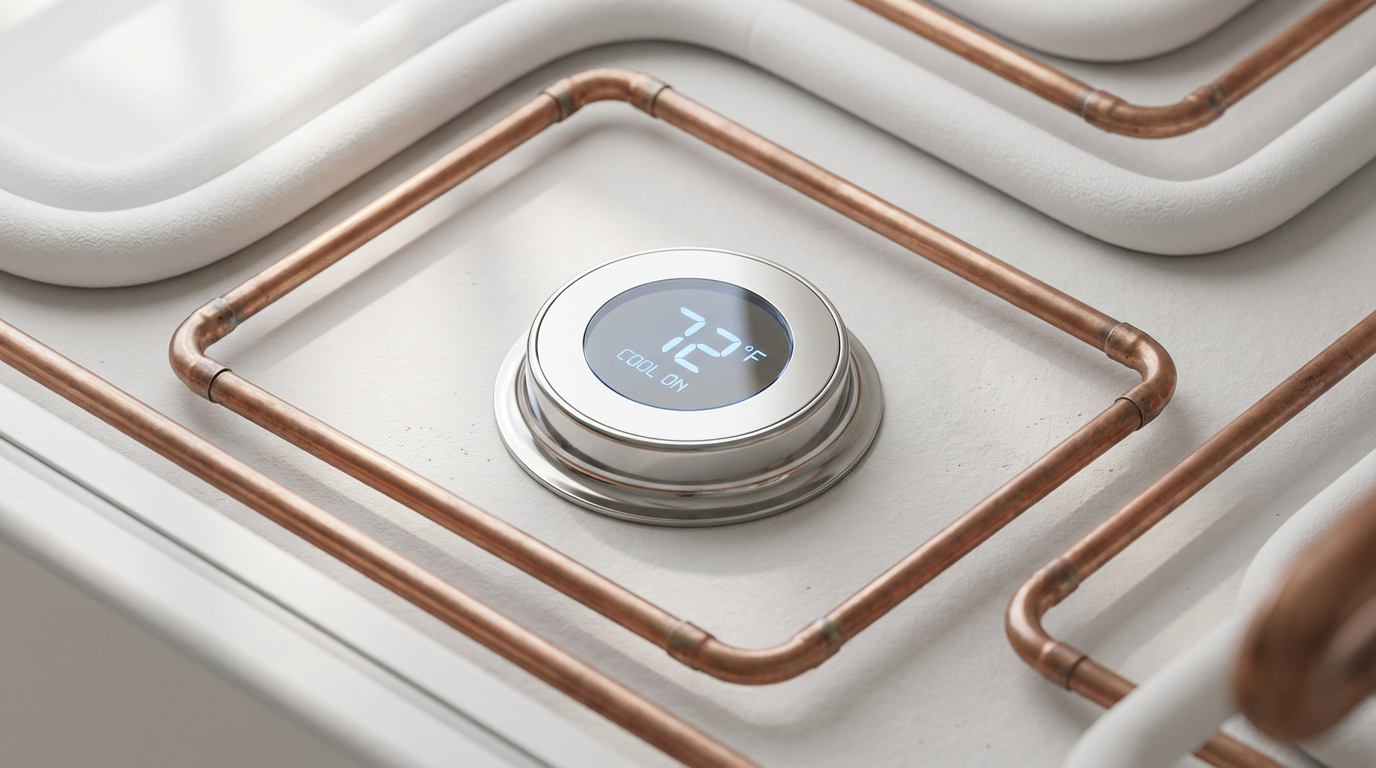
Myth 1: A Thermostat Can Instantly Change Room Temperature
One common belief is that adjusting the thermostat will immediately change the temperature of a room. This is not true. Thermostats signal the HVAC system to adjust the temperature, but this process takes time. The speed depends on various factors, such as the size of the home and the efficiency of the system.
Myth 2: Setting the Thermostat Higher Heats the Room Faster
Many people think that setting the thermostat to a higher temperature will heat the room more quickly. In reality, the heating system works at a constant rate. Setting it higher only wastes energy and can lead to overheating.
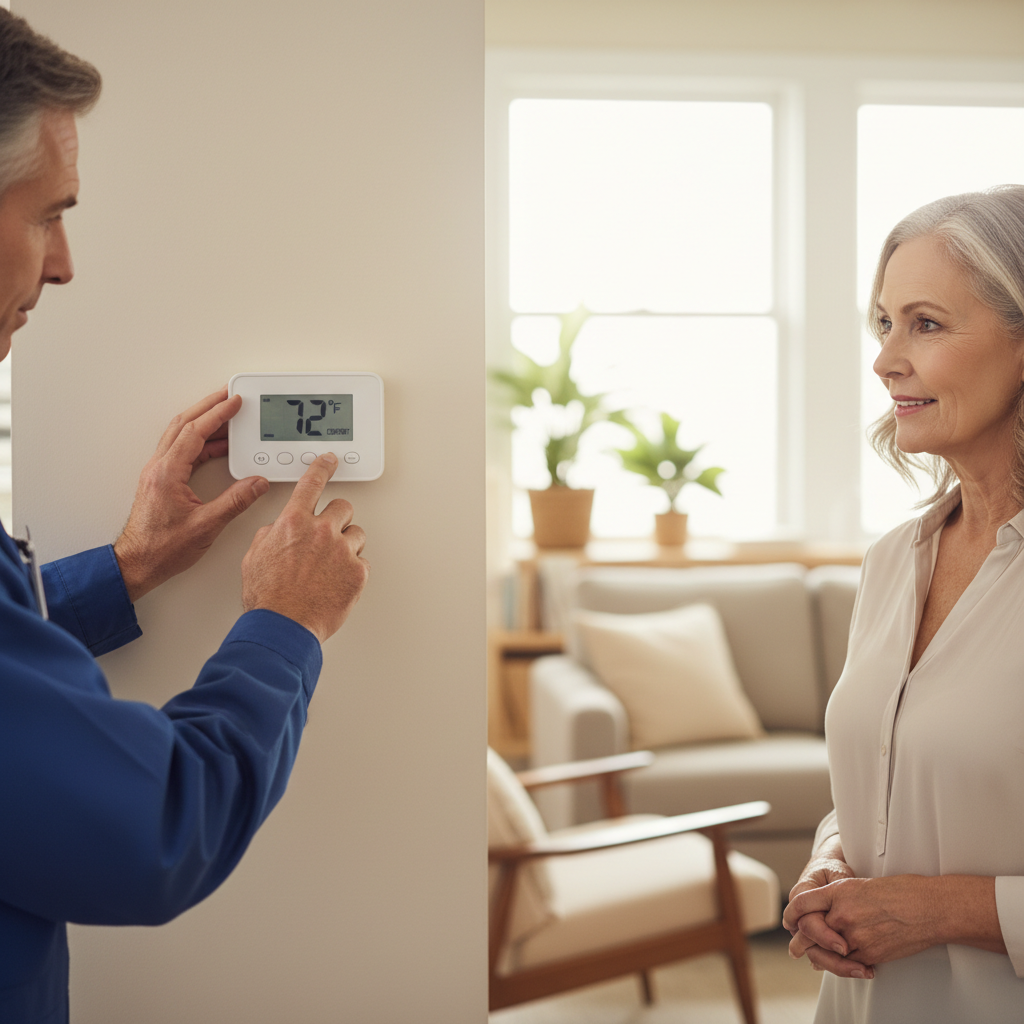
Myth 3: Location of the Thermostat Doesn’t Matter
The placement of a thermostat is crucial. If it is located in a spot with direct sunlight, near drafts, or close to heat-producing appliances, it can give inaccurate readings. Optimal placement involves positioning it on an interior wall away from these influences.
Myth 4: Turning Off the Thermostat Saves Energy
Another misconception is that turning off the thermostat saves energy. While it might seem logical, frequent cycling on and off can actually increase energy usage. Instead, set the thermostat to an efficient, consistent temperature.

Understanding Thermostat Functionality
Understanding how a thermostat functions can help avoid common issues. These devices work by sensing the ambient temperature and signaling the HVAC system when adjustments are needed.
Myth 5: All Thermostats Are Created Equal
Not all thermostats offer the same features. Some are programmable or smart, allowing for more precise control and energy savings. Choosing the right thermostat for your needs is essential to optimizing performance.
Conclusion: Educated Thermostat Use
By debunking these myths, homeowners can better utilize their thermostats for comfort and efficiency. Understanding the truth behind these misconceptions enables smarter energy use and improved home climate control.