
How to Maintain Your AC: A Comprehensive DIY Guide


Understanding Your AC System
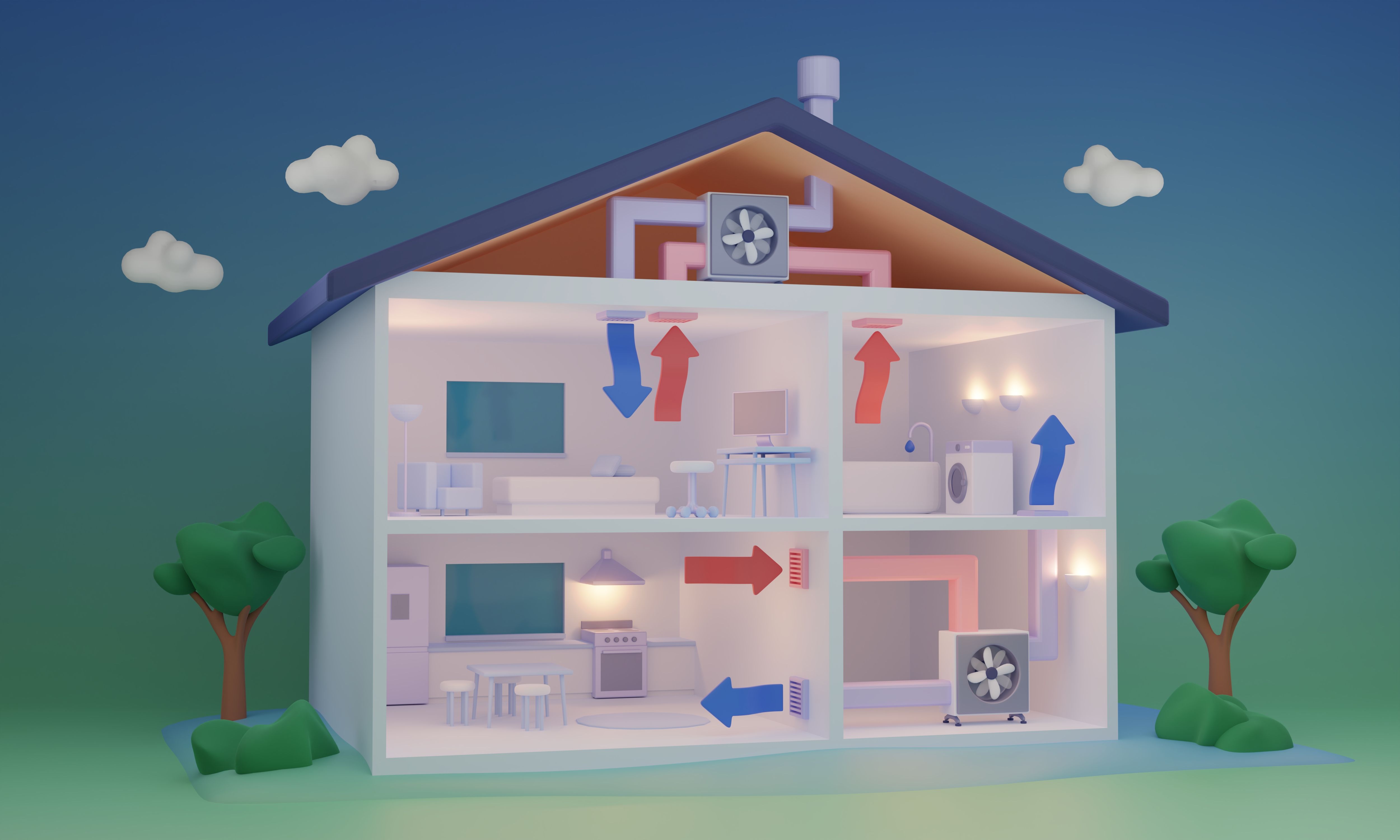
Regular maintenance of your air conditioning (AC) system is crucial for its longevity and efficiency. Whether you have a central or a window unit, understanding the basic components can help you maintain it effectively. Most AC systems consist of an evaporator, condenser, and compressor. Knowing these parts can make troubleshooting simpler and more intuitive.
Regular Cleaning and Inspection
A clean AC unit runs more efficiently. Start by inspecting the filters, coils, and fins. Dirty components can significantly reduce efficiency and increase energy costs. Replace or clean filters every 1-2 months during peak usage. For central AC, check the ductwork for any signs of dirt or mold.
Coils and fins also require regular cleaning. Use a soft brush to remove debris from the coils and a fin comb to straighten any bent fins. This will help maintain proper airflow and cooling performance.
Ensuring Proper Airflow
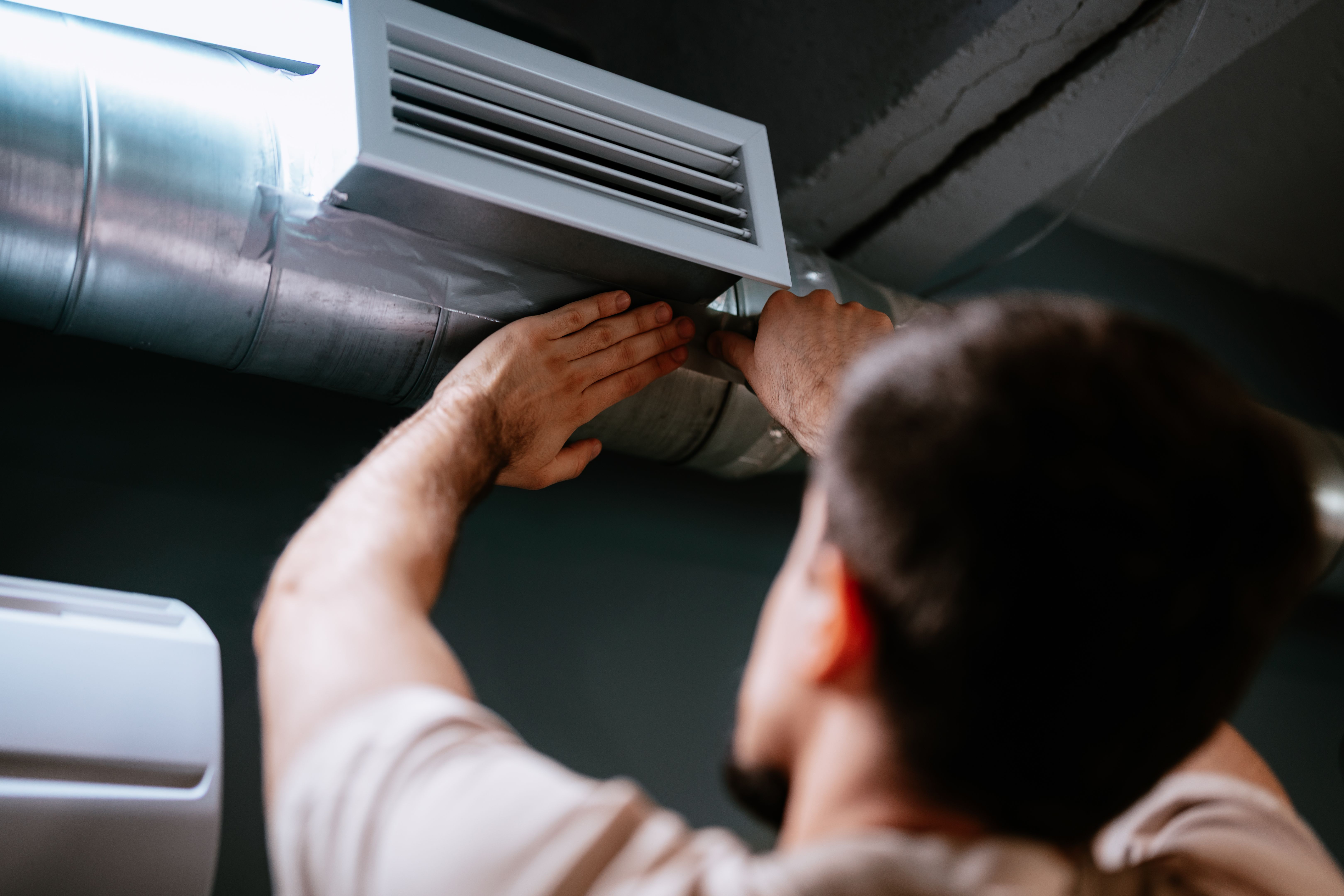
Proper airflow is vital for an AC's performance. Blocked vents or registers can cause your system to overwork, leading to higher energy bills and potential damage. Ensure furniture or curtains do not obstruct airflow. Additionally, clear any debris from the outdoor unit to maintain unrestricted airflow.
Checking the Thermostat
The thermostat plays a crucial role in your AC's performance. Make sure it is functioning correctly and set to the desired temperature. Consider upgrading to a programmable thermostat for better control and efficiency. This small investment can lead to significant savings on energy bills.
Inspecting Electrical Connections
Ensure all electrical connections are secure. Loose or frayed wires can cause your system to malfunction or even create safety hazards. Turn off the power before inspecting the electrical components. You may need to consult a professional if you find any damaged wires.

Monitoring Refrigerant Levels
Refrigerant is essential for cooling. Low levels can lead to inefficient cooling and potential damage. If you suspect a refrigerant leak, it's best to contact a professional, as handling refrigerant requires special equipment and expertise.
Scheduling Professional Maintenance
While DIY maintenance is important, professional inspections are equally crucial. Schedule a professional check-up annually to ensure your system is in optimal condition. Professionals can identify and fix issues that might be easy to overlook.
By following these maintenance tips, you can keep your AC running smoothly and efficiently, ensuring comfort during the hot months and saving on energy costs. Regular maintenance not only enhances performance but also extends the life of your unit.