
How Often Should I Replace My HVAC Filter? A Comprehensive Guide


Understanding HVAC Filters
Your HVAC system plays a crucial role in maintaining indoor comfort. One of the simplest yet most effective ways to ensure it operates efficiently is by regularly replacing the HVAC filter. But how often should you do this? The answer depends on several factors, including your household dynamics and system usage.
Factors Affecting Replacement Frequency
Type of Filter
HVAC filters come in various types, such as fiberglass, pleated, and high-efficiency particulate air (HEPA) filters. Fiberglass filters are generally less expensive but need more frequent replacement. In contrast, pleated and HEPA filters last longer but may cost more initially.
Household Dynamics
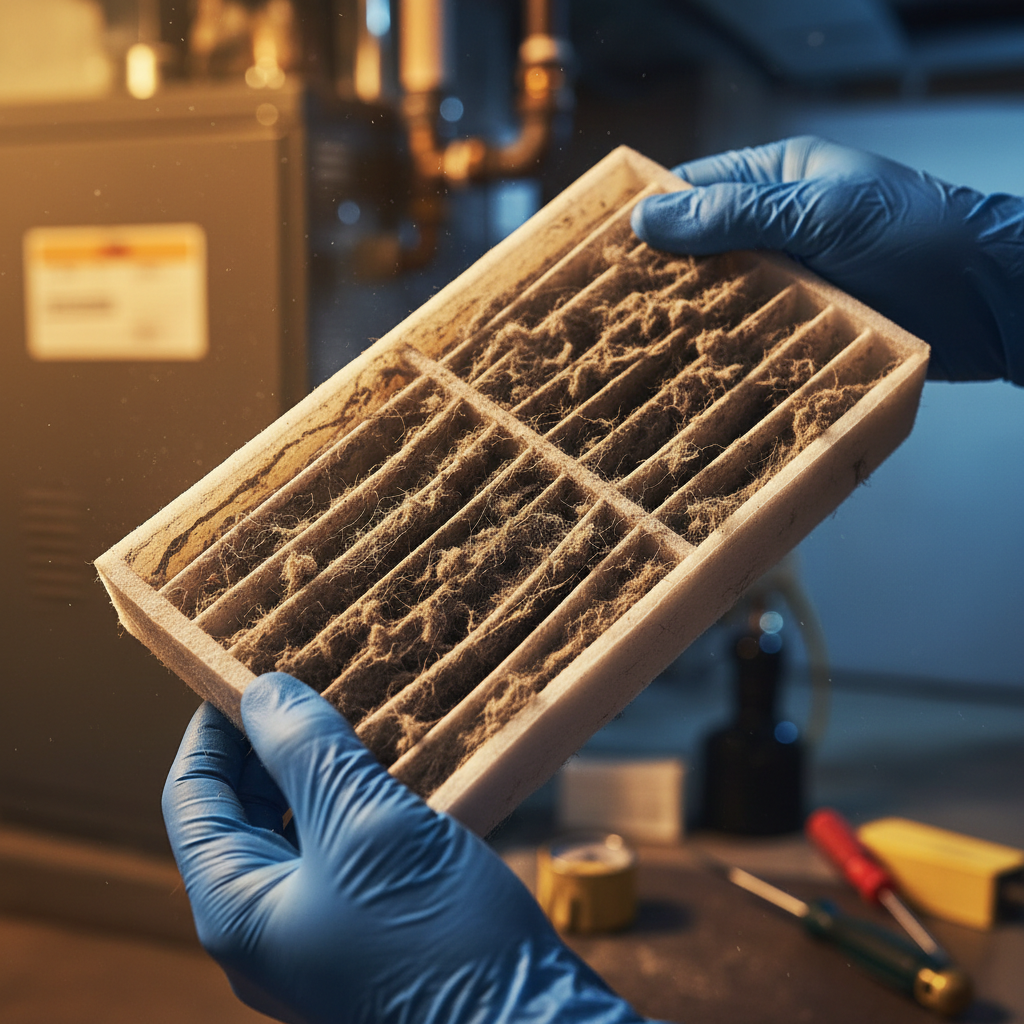
If you have pets, allergies, or live in a dusty area, you may need to replace your filter more often. Pet hair and dander can quickly clog filters, reducing the system's efficiency and air quality.

Usage and Environment
System Usage
The more you use your HVAC system, the faster the filter will become clogged. During peak seasons like winter and summer, you may need to replace it more often compared to milder seasons.
Environmental Factors
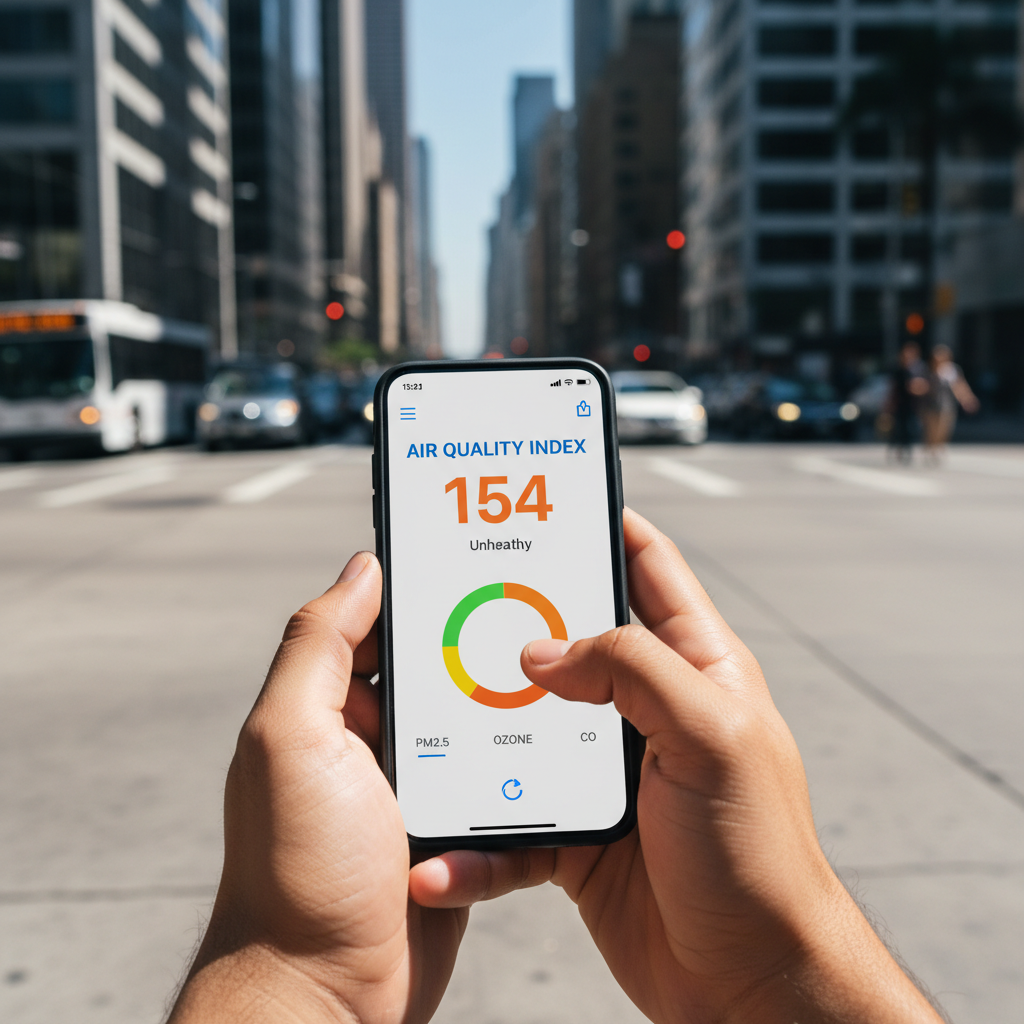
Homes located in areas with high pollution or construction activities may require more frequent filter changes. Dust and pollutants can accumulate quickly, affecting air quality and system performance.
General Guidelines for Replacement
- Fiberglass filters: Replace every 30 days.
- Pleated filters: Replace every 60-90 days.
- HEPA filters: Replace every 6-12 months.
These timelines are general guidelines. Always check the manufacturer's recommendations for specific guidance.
Signs It's Time to Replace Your Filter
Regardless of the type and usage, certain signs indicate it's time for a new filter:
- Visible dirt and dust on the filter.
- Increased allergy symptoms.
- Higher energy bills due to reduced efficiency.
Conclusion
Regularly replacing your HVAC filter is essential for maintaining optimal system performance and indoor air quality. By considering factors such as filter type, household dynamics, and usage, you can determine the best replacement schedule for your needs. Always remember to monitor the filter condition and replace it when necessary to enhance your HVAC system's efficiency.