DIY Tips for Air Conditioning Maintenance: What You Can Do Yourself


Understanding Your Air Conditioning System
Maintaining your air conditioning system can seem daunting, but with a few simple steps, you can ensure it runs efficiently. Understanding the basic components of your AC unit is the first step. Most systems consist of a compressor, condenser, evaporator, and a series of ducts. Knowing how these parts work together can help you better maintain them.
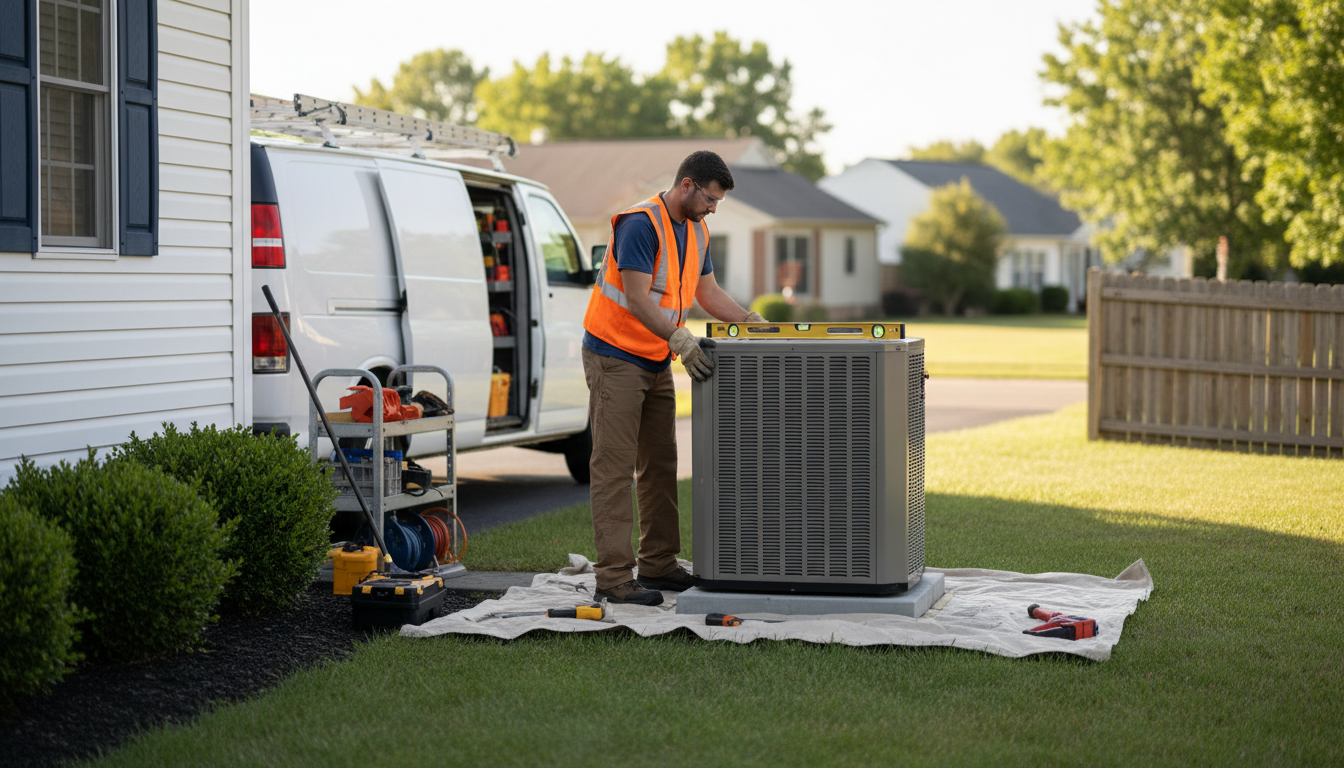
Regularly Replace or Clean Air Filters
One of the simplest DIY maintenance tasks is replacing or cleaning the air filters. Dirty filters can restrict airflow, reducing efficiency and causing the system to work harder. It’s recommended to check your filters every 30 days and replace them every 60-90 days, depending on usage.
If you have reusable filters, rinse them with water and let them dry completely before reinstalling. Keeping filters clean can lower energy consumption by up to 15%.
Inspect and Clean the Condenser Coils
The condenser coils in your outdoor unit can accumulate dirt and debris over time. This buildup can obstruct heat transfer, making your system less effective. To clean the coils, turn off the power to the unit and gently hose down the coils with water. Avoid using a pressure washer as it can damage the fins.
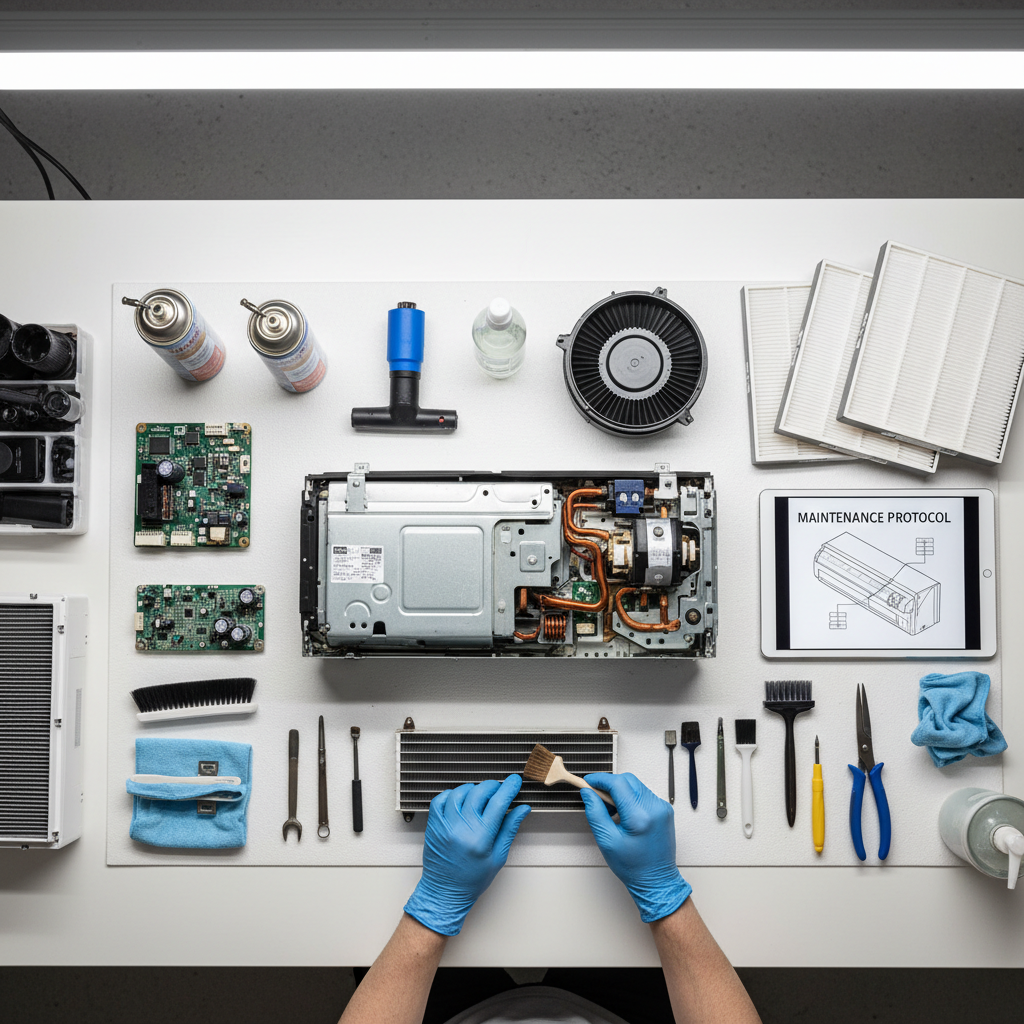
Check the Thermostat Settings
Your thermostat plays a critical role in how efficiently your air conditioner operates. Ensure it is set to the correct temperature and mode. Consider upgrading to a programmable thermostat to optimize cooling schedules and reduce energy waste.
Regularly check the batteries in the thermostat to ensure it operates without interruption. A well-maintained thermostat can significantly enhance your AC's performance.
Clearing Debris Around the Outdoor Unit
Ensure there is at least a two-foot clearance around your outdoor unit. Remove any leaves, branches, or debris that might obstruct airflow. This simple step can prevent overheating and improve efficiency.
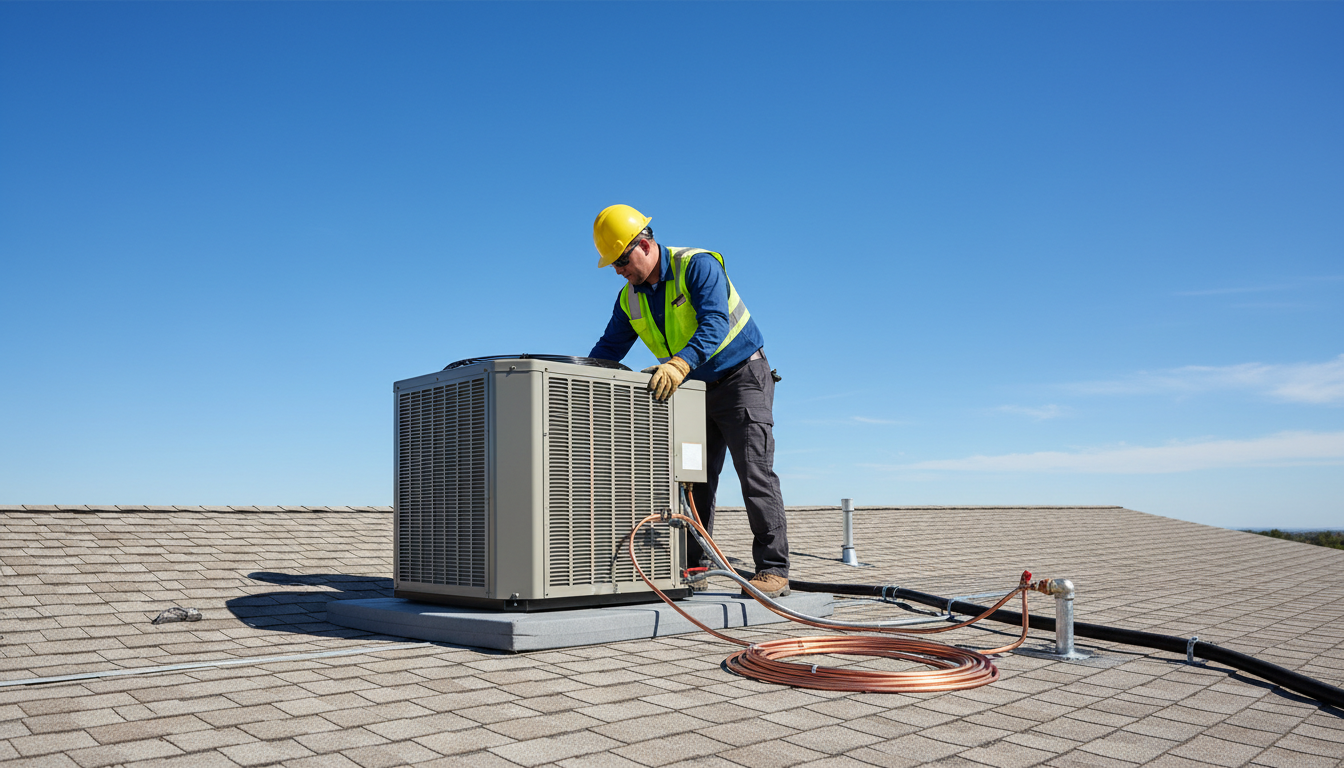
Check the Refrigerant Lines
Inspect the refrigerant lines for any visible signs of damage or leaks. These lines should be properly insulated to prevent energy loss. If you notice any issues, it may be best to consult a professional for repairs, as handling refrigerant requires specialized skills and equipment.
Listen for Unusual Noises
Strange noises can be an early indicator of potential problems. If you hear grinding, banging, or squealing, it’s crucial to investigate the source. While some noise is normal, unusual sounds often require professional attention to prevent further damage.
Benefits of Regular Maintenance
Regular DIY maintenance can prolong the lifespan of your air conditioning unit, improve efficiency, and reduce energy bills. By keeping your system in top condition, you ensure a comfortable indoor environment during the hot months.
While some tasks are simple enough to do yourself, always consult a professional for more complex issues to avoid unintentional damage.