
DIY AC Troubleshooting: Quick Fixes Before Calling the Pros


Identifying Common AC Problems
During the hot months, your air conditioner is your best friend. However, it's not uncommon for it to run into some issues. Before calling in the pros, you can perform some simple troubleshooting steps that might save you time and money. In this guide, we'll walk you through some common AC problems and how to fix them.
AC Not Turning On
If your air conditioner isn't turning on, it could be due to several reasons. Start by checking your thermostat. Ensure it's set to "cool" and the temperature is below the current room temperature. If it's a programmable thermostat, check the settings to see if it's correctly programmed.
Next, inspect the circuit breaker. Sometimes, a tripped breaker can be the culprit. If it has tripped, reset it and see if that resolves the issue. Lastly, examine the power cord and plug for any visible damage.
Insufficient Cooling
An AC that blows warm air can be frustrating. Begin by checking the air filter. A clogged filter can restrict airflow, causing the unit to work inefficiently. Replace dirty filters with new ones to improve performance.
Also, take a look at the condenser unit outside. Ensure it's free of debris like leaves and dirt, which can hinder its operation. Give it a good clean if necessary.

Unusual Noises
Strange noises coming from your AC can indicate various issues. Listen carefully to determine the type of sound. A rattling noise might suggest something is loose inside the unit, while a squealing sound could indicate a worn-out belt.
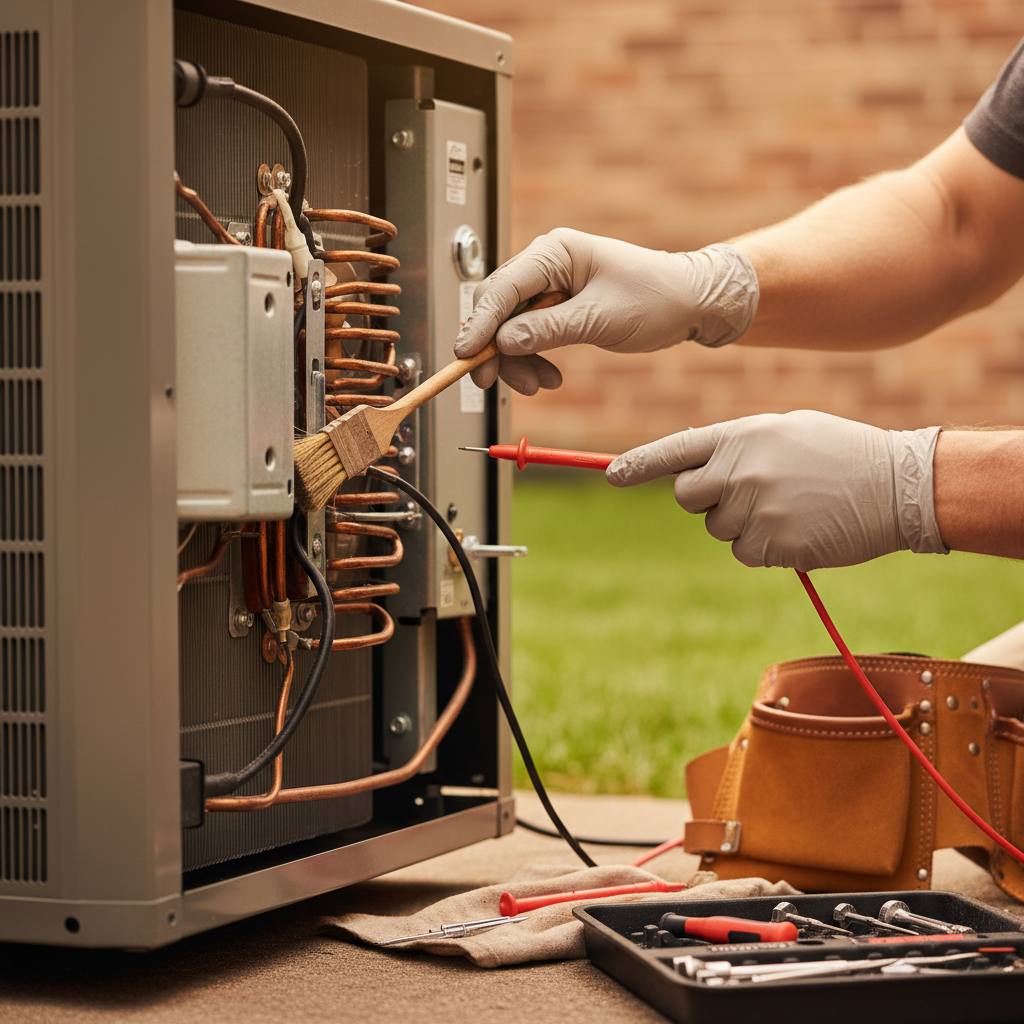
If you're handy, you can open the unit and check for any loose parts. Tighten any screws or bolts that might have come undone. However, if you're unsure, it's best to consult a professional to avoid further damage.
Leaking Water
Water leaks are a common problem with AC units. First, check the condensate drain line. If it's clogged, it can cause water to back up and leak. You can clear the blockage using a wet/dry vacuum or a plumbing snake.
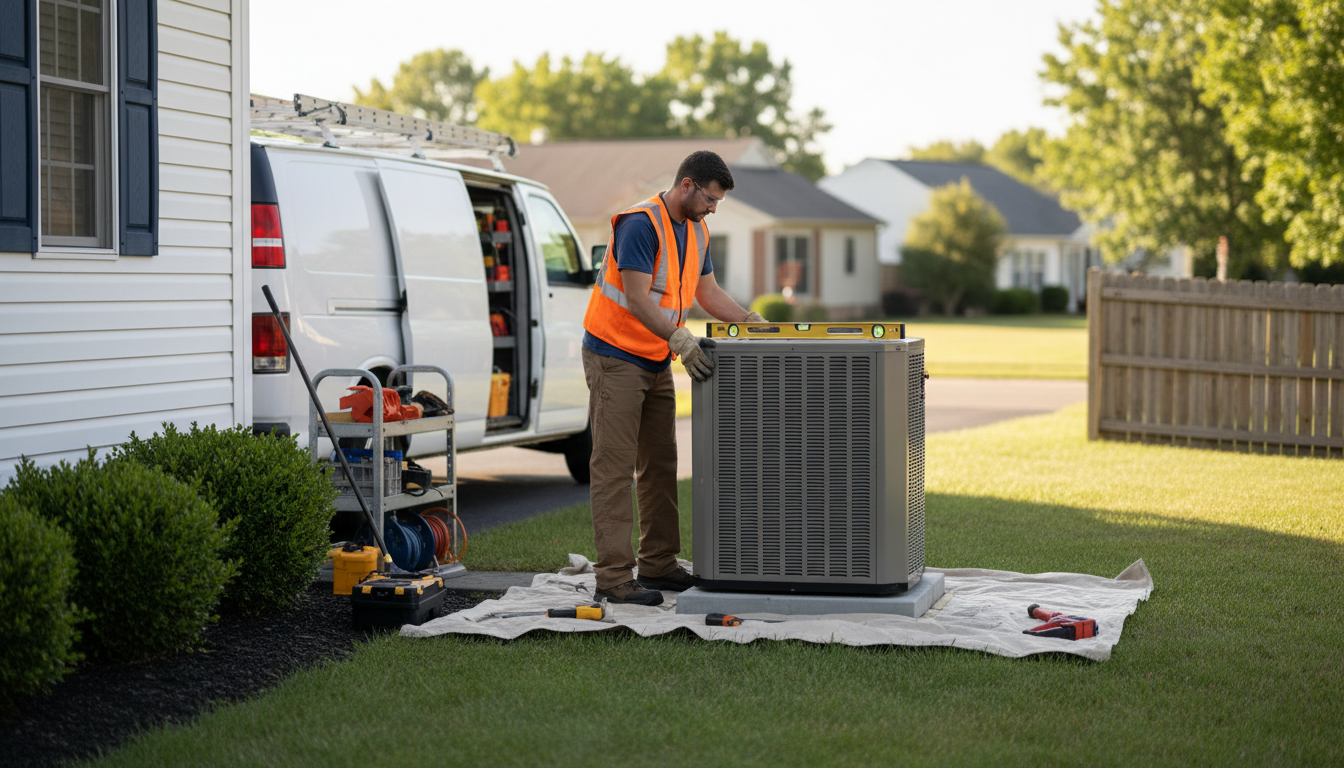
Additionally, ensure the unit is properly leveled. An uneven unit can cause water to pool and spill over. Adjust its position if necessary to prevent further leaks.
When to Call the Professionals
While DIY troubleshooting can fix many common issues, some problems require expert attention. If your AC continues to malfunction despite your efforts, it's time to call in the professionals. They have the tools and expertise to diagnose and repair complex problems.
Remember, regular maintenance can prevent many of these issues from arising. Schedule routine check-ups with a trusted HVAC technician to keep your AC running smoothly all summer long.