
Common HVAC Myths Busted: What You Really Need to Know


Understanding HVAC Efficiency
One of the most common myths about HVAC systems is that bigger is always better. Many believe that a larger system will heat or cool their home more effectively. However, this isn't necessarily true. An oversized HVAC system can lead to increased energy consumption and uneven temperatures.
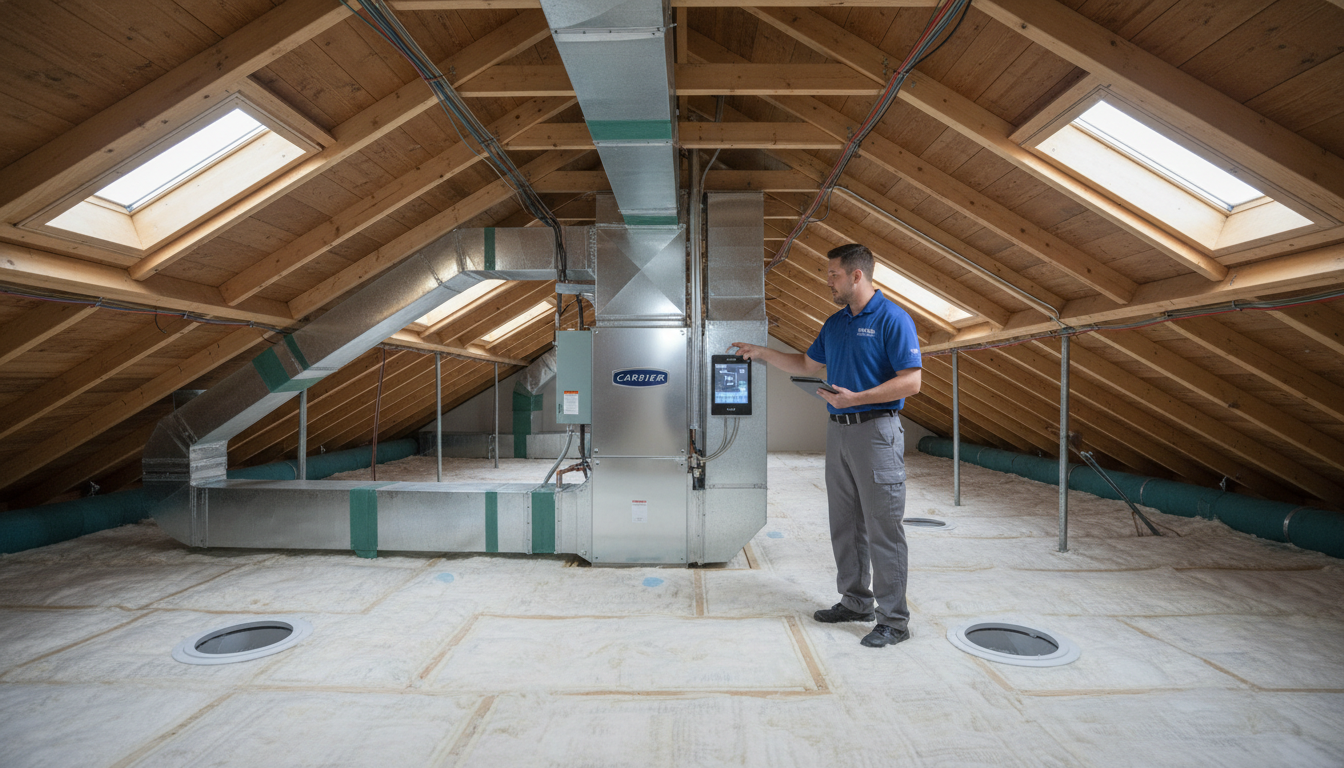
Instead, it’s crucial to choose the right size for your space. Proper sizing ensures that your system operates efficiently, maintaining a comfortable environment without unnecessary energy use.
Maintenance Myths
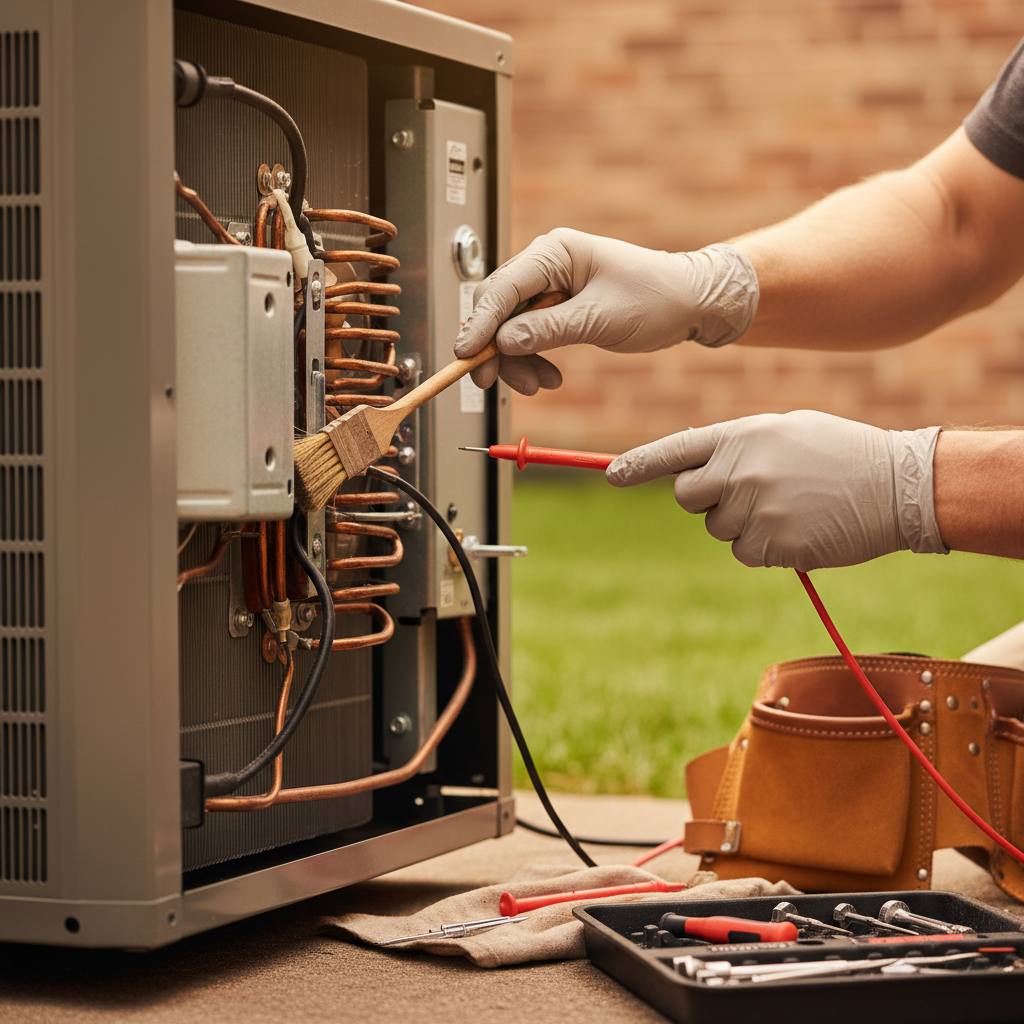
Another misconception is that HVAC maintenance isn't essential. Some homeowners assume that their system will run just fine without regular check-ups. In reality, routine maintenance can extend the life of your HVAC system and prevent costly repairs.
Regularly changing filters and scheduling professional inspections can significantly improve system performance. Neglecting maintenance might lead to unexpected breakdowns, especially during extreme weather conditions.
Thermostat Settings
A common myth is that leaving your thermostat at a constant temperature throughout the day will save energy. While it might seem logical, adjusting your thermostat according to your schedule is more efficient.
Using a programmable or smart thermostat can help you manage energy use by automatically adjusting temperatures when you're away or asleep. This approach can lead to noticeable savings on your energy bill.
Closing Vents to Save Energy
Some believe that closing vents in unused rooms will save energy. However, this can create pressure imbalances and force your HVAC system to work harder, potentially leading to damage.
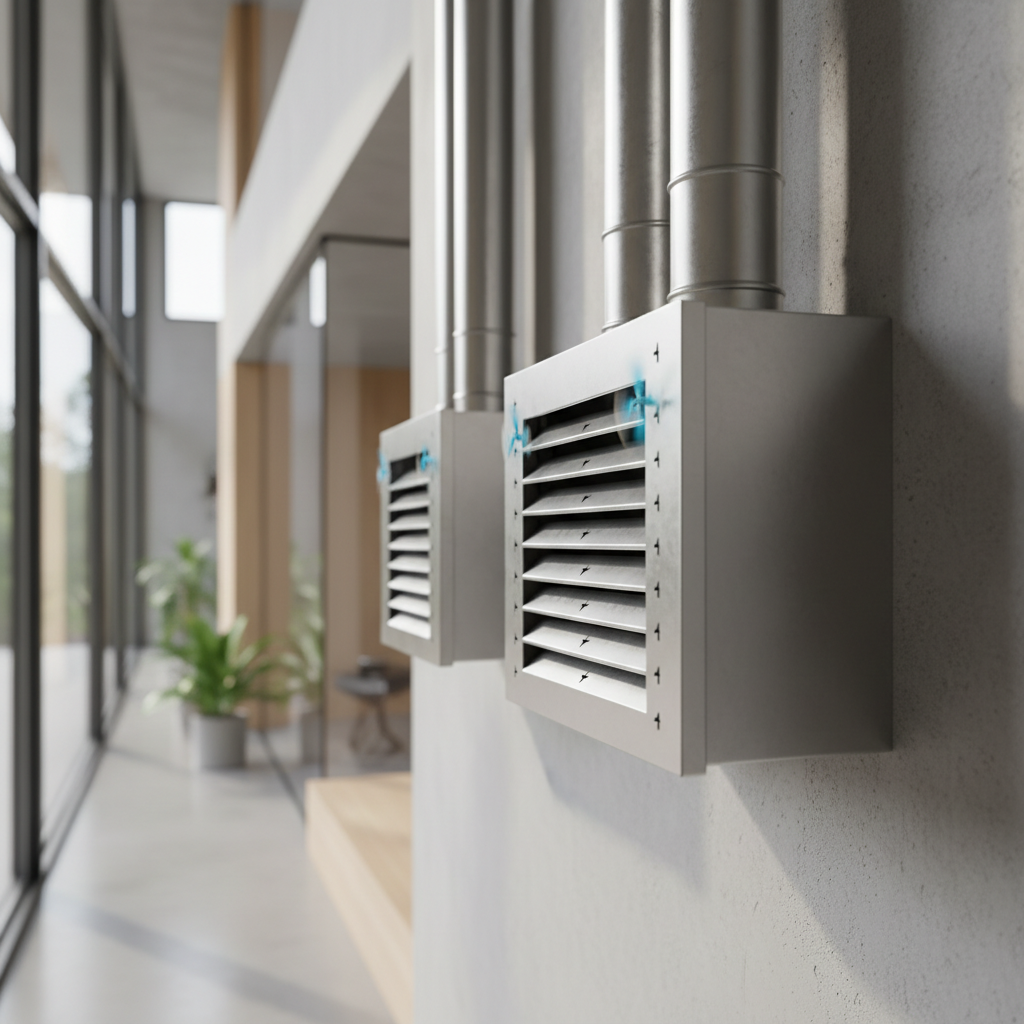
It’s better to keep all vents open and ensure that your system is balanced. This allows air to circulate properly and maintains even temperatures throughout your home.
Myth of Quick Fixes
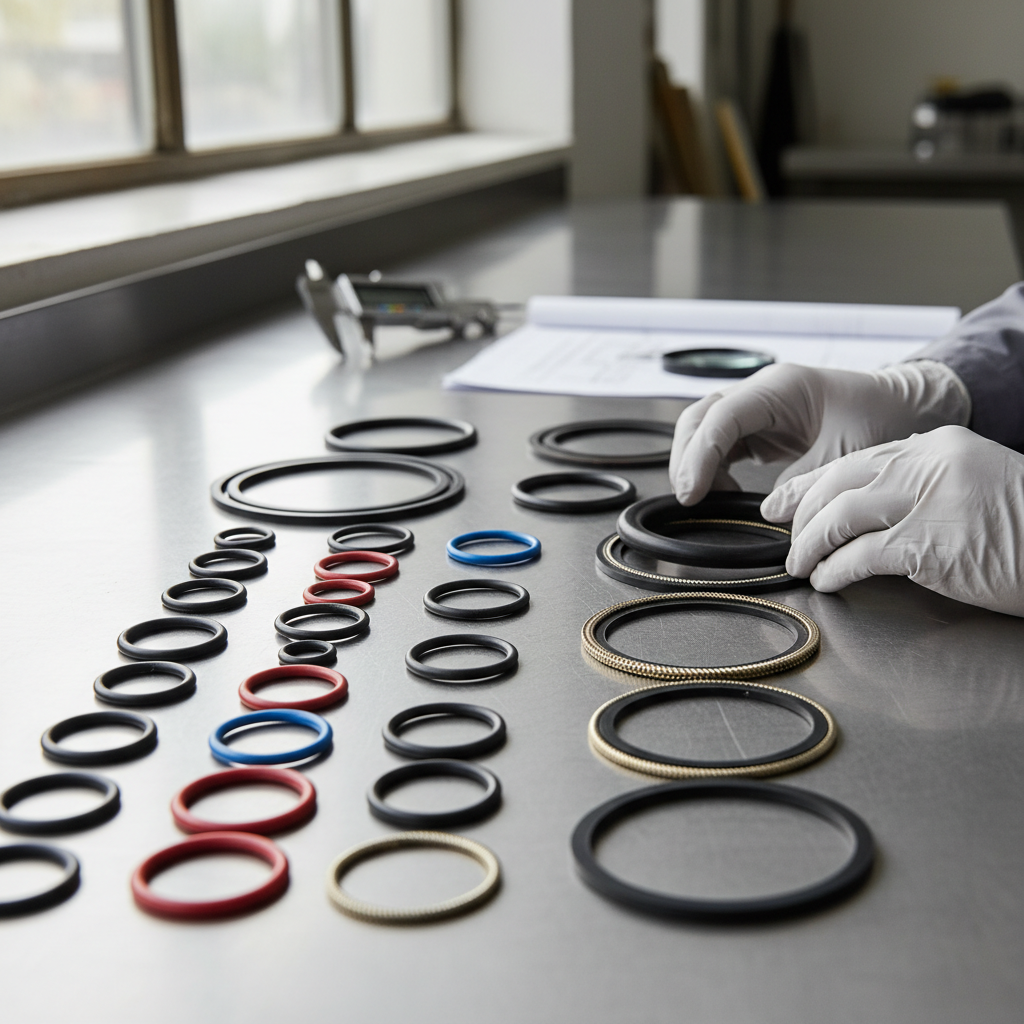
Quick fixes, like sealing ducts with duct tape, are often seen as effective solutions. However, duct tape is not suitable for sealing HVAC ducts. It can degrade quickly, leading to air leaks and inefficiencies.
Instead, use mastic sealant or metal tape designed for HVAC systems. These materials provide a more durable and long-lasting seal, ensuring that your system operates efficiently.
Energy Efficiency Investments
Lastly, some homeowners believe that investing in energy-efficient HVAC systems is too expensive. While the initial cost can be higher, these systems often lead to long-term savings on energy bills.
Energy-efficient models reduce consumption and carbon footprint, making them a wise investment for both your wallet and the environment.